
Can Alberta Farmers Lower Costs by Reducing Interprovincial Trade Barriers?
Lowering trade barriers with other provinces could reduce freight, fertilizer and equipment costs, boost competition, and give Alberta producers the policy certainty they need.
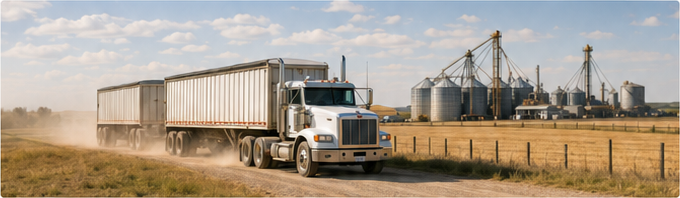
Alberta producers work in a global marketplace—but many of the costs they face come from right here at home. Interprovincial trade barriers, regulatory differences, and protectionist policies in other provinces can add hidden costs to grain movement, fertilizer supply, equipment access, and more.
A more open and predictable Canadian internal trade system would help Alberta farmers compete, expand markets, and keep more of every dollar earned.
The Real Cost of Barriers
When products, services, or workers can't move freely across provincial borders, everyone pays more.
Transporting a tonne of grain from southern Alberta to eastern export markets can cost $10–$15 more per tonne when railcars must detour around provincial bottlenecks or face delays at interprovincial points.
Fertilizer is another example. Different provincial regulations and certification requirements limit competition and add to delivered costs—especially during tight supply periods.
Equipment and parts face similar hurdles. Inconsistent standards and procurement rules can restrict choice and increase maintenance downtime.
Where Policy Can Make a Difference
Reducing interprovincial trade barriers doesn't require more spending—just better alignment and cooperation.
 Harmonize regulations so products, services, and professionals can move freely.
- Remove “buy local” procurement rules that shut out competitive suppliers.
- Invest in trade-enabling infrastructure like rail capacity and border crossings.
- Digitize and streamline permitting and certification to cut delays.
The Bottom Line for Alberta Farmers
Lower barriers mean lower costs, better access to markets and inputs, and more room to invest and grow.
It's not about lowering standards—it's about removing unnecessary red tape so Alberta agriculture can thrive across Canada and around the world.
Questions Producers Are Asking
- How much are interprovincial trade barriers really costing Alberta producers?
- Which sectors—like grain, fertilizer, and equipment—are most affected?
- What can provincial governments do to reduce barriers?
- How will internal trade reform improve competitiveness and farm profitability?
- What’s the role of infrastructure in making trade more efficient?